.jpg)
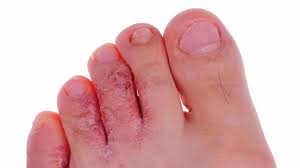
Athlete’s foot is a common skin change between the toes and on the sole that is often a sign of a fungal or mycosal infection. It thrives in wet conditions where toes are squeezed together, creating moisture and friction.
Identifying the Signs
Peeling & Color
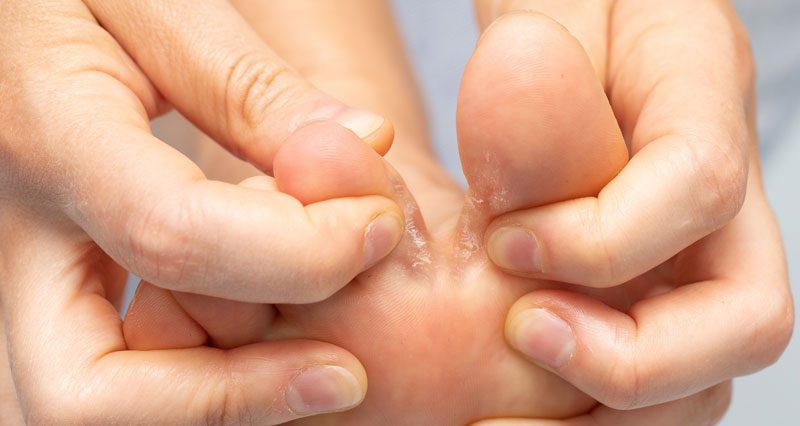
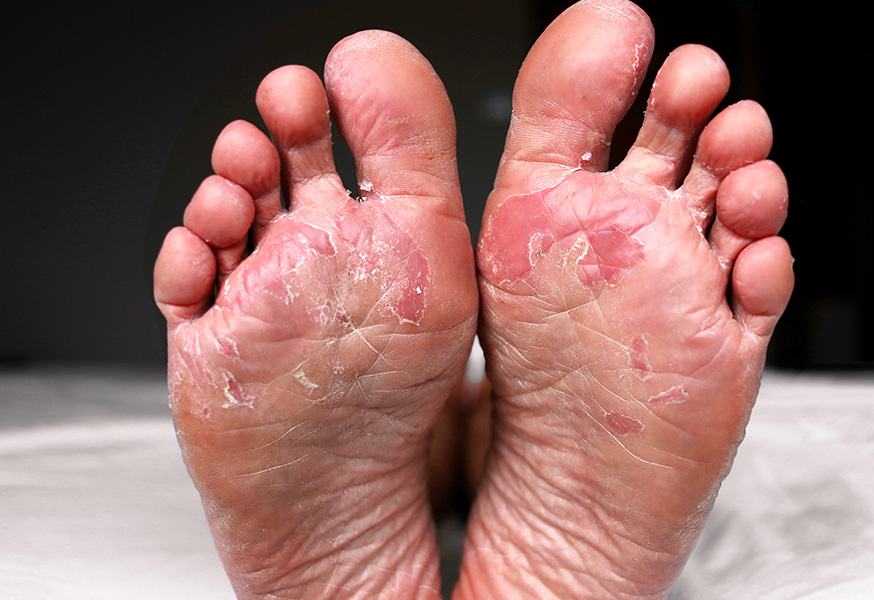
White, soft, "waterlogged" skin that looks soggy or peeling between the toes.
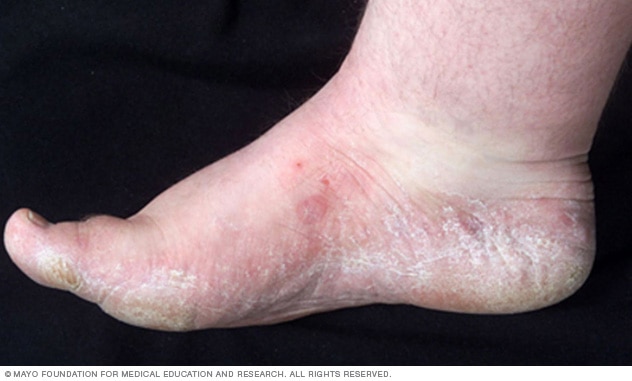
Cracking & Scaling
Visible cracking or small open wounds that might appear shiny or wet.
Debris & Odor
Creamy or dry debris collecting between the toes, often with a distinct smell.
Toe Position
Overlapping or tightly squeezed toes suggest constant moisture and poor circulation.
Common Causes and Risks
Religious Practice (Ablution)
Washing feet multiple times a day without properly drying between the toes can promote rapid bacteria growth.
Public Exposure
Walking barefoot in mosques, swimming pools, or communal showers increases the risk of infection.
Footwear Traps
Wearing the same shoes every day without 48 hours of drying time traps sweat and bacteria inside.
Clinical Gallery
.jpeg)
Home Recommendations
- Proper Drying: After every wash, dry between the toes with a dry tissue instead of a towel for full absorption.
- Create Space: Use rolled tissue between squeezed toes to prevent friction and moisture buildup.
- Foot Hygiene: Use baby powder with zinc at night to keep the skin dry.
- Shoe Rotation: Never wear the same pair two days in a row; let them air dry for 48 hours.
Concerned about skin changes?
Early intervention is key to preventing complications like deep wounds or secondary infections.
Message on WhatsApp*Information provided on our website is not medical advice and shared for information purposes only. To get a final diagnosis, please contact a medical doctor.