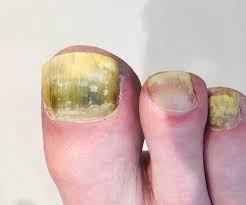
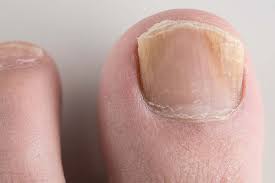
A fungal infection, also known as onychomycosis, is a common condition that changes both the color and the structure of the nail. It is a "tricky" and transferable disease that can spread to other toes or family members.
How to Identify a Suspected Infection
Color Changes
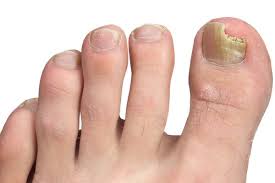
The nail may appear yellow, green, dark brown, gray, or even blue.
Structural Changes
Nails become thickened, crumbly, spongy, or layered like dry wood bark.
Debris & Coating
Visible buildup under the nail or a dull white coating on the surface.
Common Causes and Risks
Public Exposure
Saunas, gyms, and pools are high-risk areas if you have even a tiny crack or scratch on your skin.
Footwear Habits
Wearing damp shoes daily provides a perfect breeding ground; shoes need 48 hours to air dry.
Underlying Factors
Diabetes or high sugar consumption makes it easier for infections to thrive in the body.
The Importance of Professional Cleaning
It is a common misconception that medication alone can fix a fungal nail. The infection creates a layer of bacteria that acts like a "roof"—ointments cannot penetrate it without proper cleaning.
The Recovery Cycle
Skin and nail regeneration takes 25–28 days. Monthly professional cleaning is essential to remove the infected portion and allow the new, healthy nail to grow forward.
Home Recommendations
- Foot Hygiene: Wash feet with soap and a brush after visiting public places; use antifungal sprays for protection.
- Shoe Disinfection: Disinfect shoes with antifungal spray and rotate between multiple pairs.
- Topical Support: Apply recommended solutions like silver ion creams to support the skin and nail bed.
Suspecting a fungal infection?
Don't wait for it to spread. Start your professional cleaning journey today for a healthier future.
Consult via WhatsApp*Information provided on our website is not medical advice and shared for information purposes only. To get a final diagnosis, please contact a medical doctor.