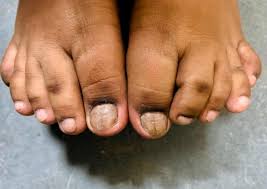
Onychotillomania is a condition where a person repeatedly picks at, touches, or digs into their nails and the surrounding skin. This behavior is often a reaction to stress, anxiety, or mental trauma — and over time it leaves visible, lasting marks on the nail plate.
Identifying the Signs
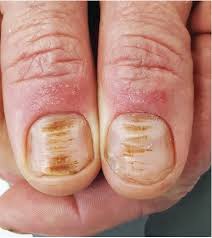
You may suspect this condition if you observe the following signs on the nail or surrounding skin:
Nail Plate Changes
The surface of the nail may have horizontal ridges, deep grooves, or bumps caused by repeated pressure on the matrix.
Damaged Cuticles
The cuticle may be completely absent, and the surrounding skin often looks red, irritated, or swollen.
Repeated Injury Marks
Hangnails, scarring, or flaky skin around the nail folds from consistent picking behavior.
Severe / Long-Term Cases
The nail matrix (the root) can be destroyed, which may lead to the nail stopping growth or being lost completely.
Clinical Presentation
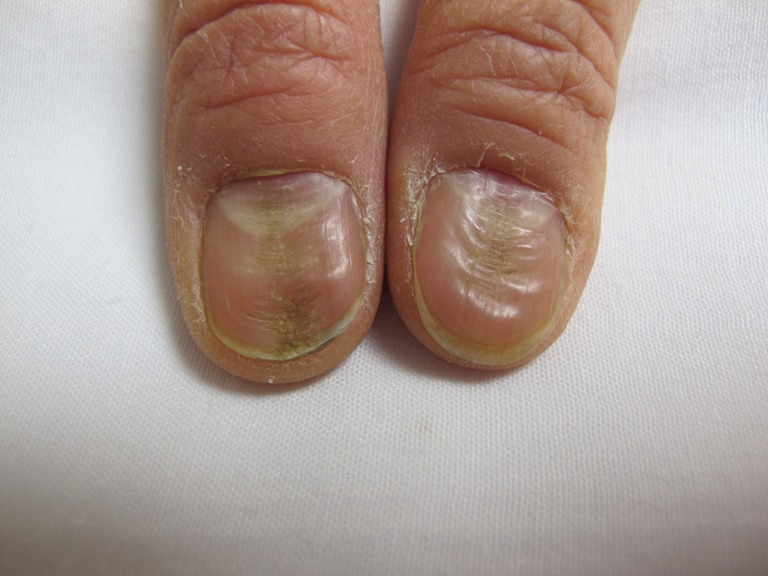
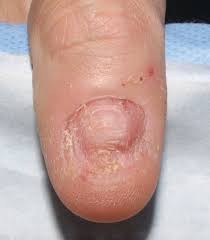
Clinical photographs of onychotillomania — horizontal ridges and cuticle damage are hallmark signs.
Why It Happens
The body initially tries to protect itself from the constant trauma by growing more skin, but over time it can no longer react to the damage — leading to permanent nail deformation. Common triggers include:
High-Stress Environments
Work pressure, exams, or difficult life situations are the most common trigger for unconscious nail picking.
Mental Health
Depression, anxiety, or OCD-related behaviors can cause the picking to become a deep-rooted habit.
Unconscious Habit
With time, the movements become automatic — touching or biting the nail can even happen at night without awareness.
Professional Support & Treatment
We treat these cases with great respect and care, as we understand the client is already under significant stress. Our approach focuses on protection, recovery, and ongoing support.
1. Protection First
We often recommend wearing a breathable bandage at all times to physically prevent touching the area and give the nail a chance to recover.
2. Nail Prosthetics
If there is enough nail left, we can apply a prosthetic to protect the nail bed and smooth the surface — improving both appearance and recovery time.
3. Monthly Follow-ups
Regular visits are essential to monitor recovery, perform professional cleaning, and ensure the client feels supported in breaking the habit over time.
Home Recommendations
- Constant Coverage: Keep the affected nail covered with a self-adhesive breathable bandage — not plastic, not with micropores. Choose the breathable option.
- Topical Care: Use Onygen cream daily to support skin and nail recovery between appointments.
- Patience: Recovery takes time and depends entirely on consistent adherence to your specialist's advice.
Important: Never leave this condition untreated. Always consult a professional foot care specialist for a proper assessment. At Medved PODO, we can assist you with proper hygiene and the right home recommendations. You can always message us on WhatsApp or call 30110320 to get more information.
*Information provided on our website is not medical advice and is shared for information purposes only. To get a final diagnosis, please contact a medical doctor.
Need help with nail picking damage?
Send us a photo for an initial assessment or book a consultation at our centre in Lusail.
Book via WhatsApp