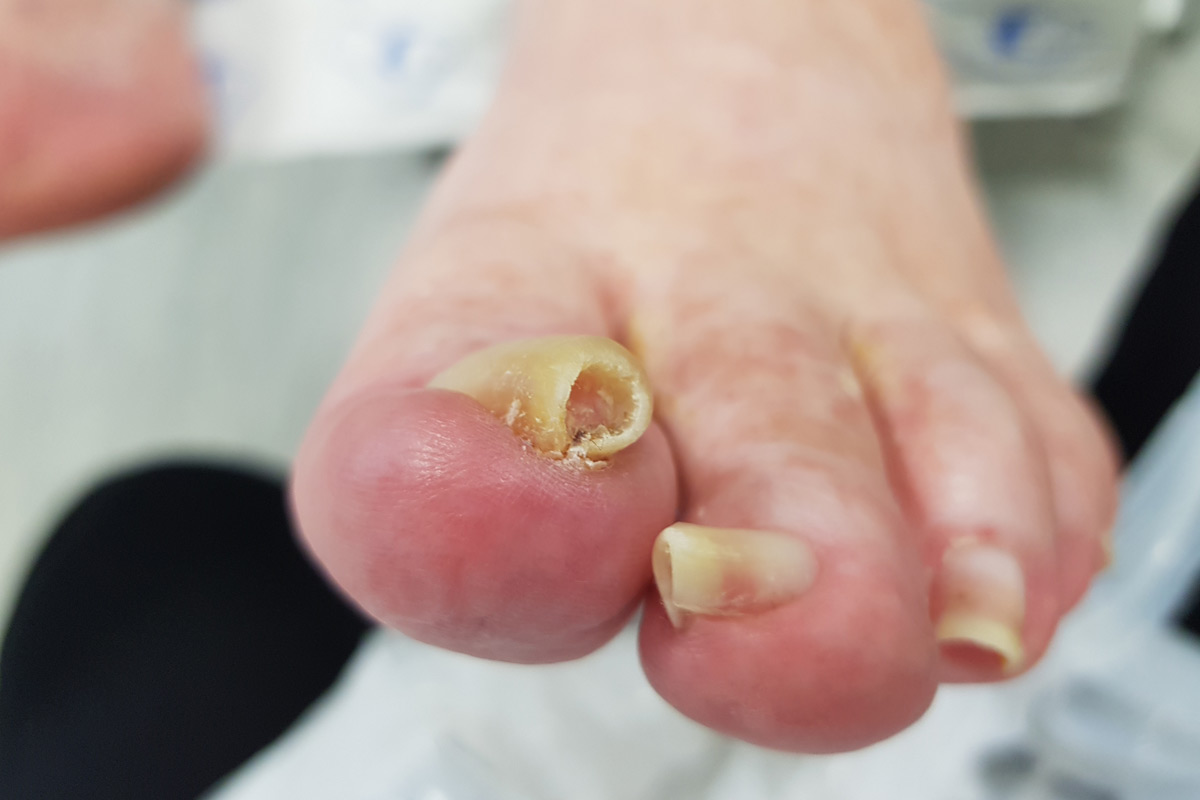
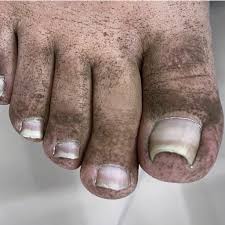
A twisted nail is one of the most common conditions encountered in specialized foot care, yet it is also the most frequently misunderstood. Many mistake it for an ingrown nail, but the approach to managing a twisted nail is entirely different.
What is a Twisted Nail?
A twisted nail occurs when the nail plate begins to curve excessively inward at the sides. Unlike an ingrown nail, where the nail pierces the skin, a twisted nail involves a structural change to the nail itself.
The Identification Rule
If the nail is curving and causing intense pressure but the skin is not inflamed or wounded, it is likely a twisted nail.
The Compression Factor
As the nail twists, it "pinches" the nail bed, often leading to painful under-nail calluses as a protective reaction.
Primary Causes
Twisted nails are almost always the result of external factors and daily habits rather than genetics:
Improper Footwear
Narrow toe-boxes and tight socks compress the toes, forcing the nail to curve over time.
Hard Coatings (Gels/Acrylics)
Hard materials that do not flex exert a constant "shrinking" pressure on the nail plate, causing it to twist.
Incorrect Cutting
Cutting corners too deeply or leaving sharp edges can alter the growth pattern and trigger twisting.
Physical Trauma
Heavy objects falling on the toe or repetitive micro-trauma from running can damage the nail matrix.
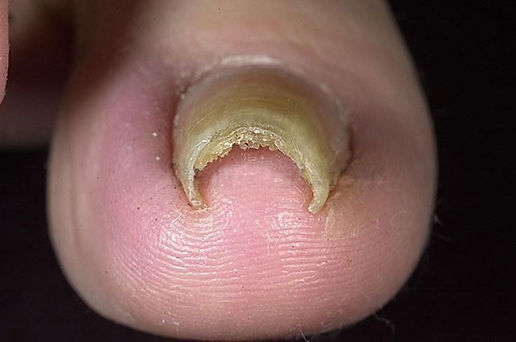
Clinical Gallery
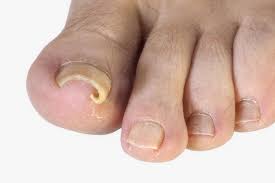
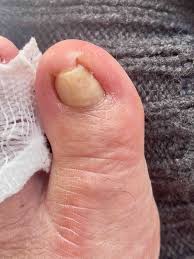
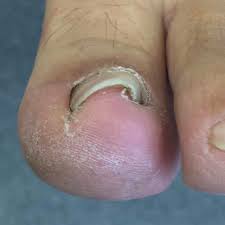
Visual examples of pincer nail curvature and the structural changes to the nail plate.
Professional Management & Protocols
In a specialized foot care setting, we do not simply "clean" a twisted nail, as cleaning alone does not fix the curvature.
The Nail Brace (Corrective System)
This is the gold-standard system. It uses a specialized nickel-titanium alloy wire with "shape memory." When applied, the wire constantly strives to return to its straight shape, gently pulling the edges of the nail upward and outward.
- Immediate Relief: By lifting the nail, the brace immediately relieves pressure on the nail bed.
- Improved Circulation: Relieving compression promotes healthier blood flow and nail growth.
- Long-term Correction: Gradually restores the natural, flat anatomy of the nail plate.
Home Care & Prevention
- Shoe Sizing: Ensure at least 1 cm of space between your longest toe and the front of the shoe.
- Barefoot Philosophy: Switch to shoes with a wide toe box that allows toes to spread naturally.
- Sock Awareness: Avoid tight, compressive socks that pull the toes together.
- Avoid Hard Gels: Keep toenails natural or use flexible polishes rather than hard gels that cause nail shrinkage.
Experiencing Painful Nail Curvature?
Don't just clean it — correct it. Text us on WhatsApp to learn more about our titanium corrective systems.
Message via WhatsApp*Information provided on our website is not medical advice and shared for information purposes only. To get a final diagnosis, please contact a medical doctor.